Reset in Minutes: Feel Clear, Calm, and Energized
The Fast Science of a Quick Reset
The 90–120 Minute Rhythm
Your brain naturally cycles through high and low energy windows every ninety to one hundred twenty minutes. In the dip, attention splinters and posture collapses. A two- to five-minute ritual strategically placed at that trough acts like a pit stop: clear waste, refuel, restore traction. Try pairing a breath drill with sunlight or movement, and observe how quickly motivation returns without coffee or willpower battles.
Vagus Nerve Levers
Longer exhales, humming, and brief cold exposure all nudge the vagus nerve, downshifting heart rate and easing tension. Maya, a project manager, hums quietly between video calls and follows with a slow exhale sequence. Her smartwatch shows heart rate variability improving within minutes, while her voice steadies and thinking sharpens. Use what you can do immediately, discreetly, and consistently, even in busy spaces.
Cortisol Curve Reality Check
Cortisol peaks naturally in the morning and dips later, shaping alertness and cravings. Align quick resets with this curve: invigorate with bright light and brisk movement earlier, soothe with extended exhales and dimness later. Luis, a morning commuter, stands by a window, breathes slowly, and does thirty seconds of calf pumps after parking. He now arrives present, not frazzled, without changing his alarm.
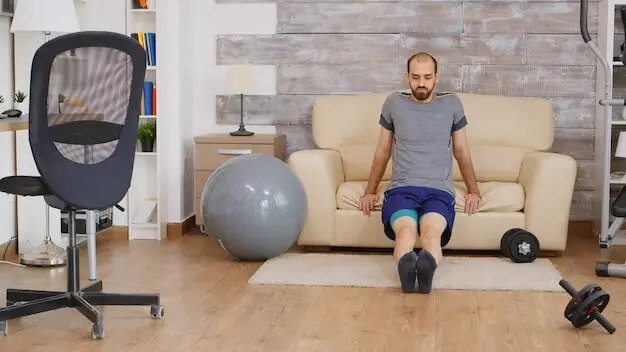
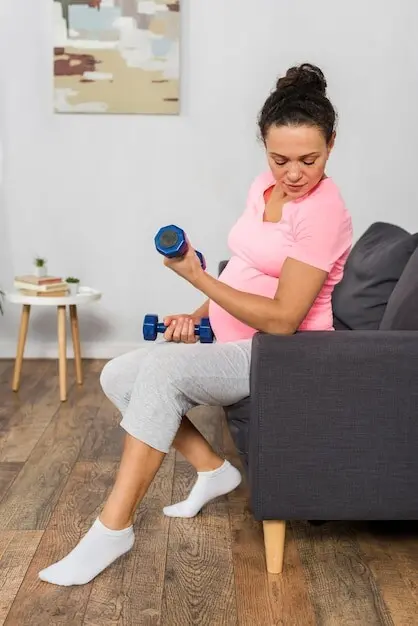
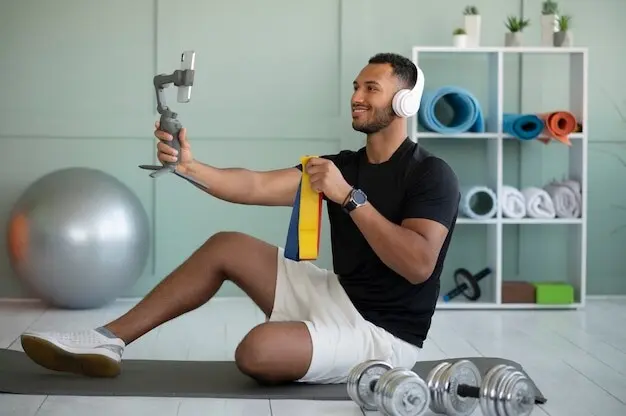

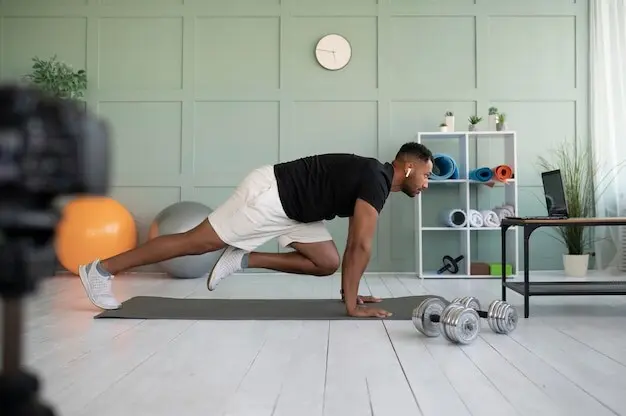
Movement Snacks That Wake Up Every Cell
Mental Reboots That Take Less Than Two Minutes
The 3-3-3 Awareness Reset
Name three things you see, three sounds you hear, and take three slow breaths while feeling your feet. This interrupts rumination by recruiting sensory pathways and embodiment. Sofia tried it before a big presentation and noticed shaking reduce while her voice found a steadier rhythm. The entire practice takes under a minute, yet opens a spacious perspective that stubborn problems rarely survive.
Sixty-Second Gratitude Stack
Write three micro-wins from the last twenty-four hours, however small: answered a message kindly, stretched between meetings, drank water on waking. Then add why each mattered. This shifts dopamine toward effort and learning rather than pure achievement. Over a week, resistance fades. You will start noticing usable progress everywhere, which fuels consistent action even when conditions are bumpy, imperfect, or loud.
Future-Self Cue
Close your eyes, picture yourself ninety minutes from now feeling proud of one specific completed step. See the screen, the sent note, the tidy sink, the calm inbox. Feel the breath and posture of that version. Now open your eyes and choose the easiest first action. This tiny preview bridges intention and motion without theatrics, guiding you gently back into momentum.
Sensory Cues That Flip Your State
Cold Splash or Wrist Rinse
Splash cool water on your face or rinse wrists for thirty to sixty seconds. The temperature shift activates trigeminal and vagal pathways, dropping heart rate and steadying breath. Pair with one physiological sigh for extra relief. Remote workers report this trumps doomscrolling breaks. If you prefer dry options, press a chilled gel pack to the cheeks, then pause, inhale gently, and re-enter with sharper calm.
Sunlight Micro-Quest
Step outside for two to five minutes, ideally before noon. Let broad daylight reach your eyes indirectly—no staring at the sun, just open exposure. This cues melanopsin cells that stabilize circadian rhythms, brighten mood, and anchor energy. Ruth, a nurse on split shifts, says brief balcony light paired with slow breaths reduces grogginess better than coffee, and sleep rebounds more cooperatively at week’s end.
Scent Anchor Ritual
Choose a distinct aroma—rosemary for alertness, citrus for uplift, lavender for softness. Inhale while performing a specific micro-practice, like a box breath or posture reset, for several days. Your brain links the scent to that calm or focus. Later, a single whiff recalls the desired state in seconds. Keep a tiny vial in your bag, and you carry a portable reset button everywhere.
Fuel and Rest, Made Rapid